Uninterruptible Power Supply Device: Ensuring Continuous Power for Your Systems
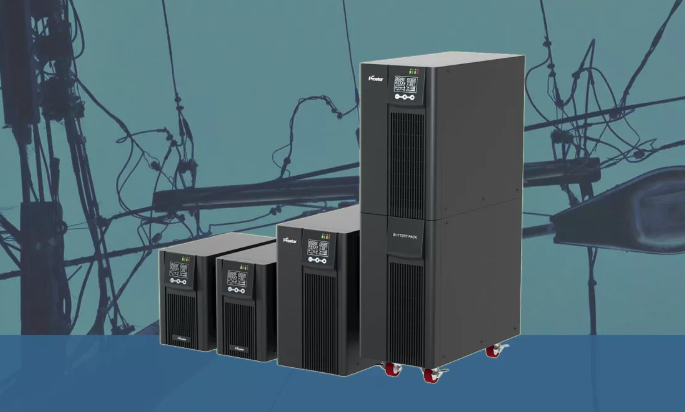
In today’s technology-driven world, uninterrupted power supply is critical for homes, businesses, and industrial operations. An uninterruptible power supply (UPS) device is a vital component that protects electronic equipment from unexpected power outages, voltage fluctuations, and other electrical disturbances. This article explores the functionality, benefits, types, and considerations when choosing a UPS device, along with frequently asked questions.
What is an Uninterruptible Power Supply Device?
An uninterruptible power supply device is an electrical apparatus that provides backup power to connected devices during power interruptions. Unlike conventional backup generators that take time to start, a UPS device delivers instantaneous power, ensuring continuous operation of critical systems. Its main purpose is to prevent data loss, hardware damage, and operational downtime caused by sudden power failures.
See also: 4 Valuable Tips for a Smooth Home-Buying Experience
How Does a UPS Device Work?
A UPS device acts as a bridge between the power source and the connected equipment. It typically consists of three main components:
- Battery: Stores electrical energy to be used during outages.
- Inverter: Converts stored DC power from the battery into AC power for your devices.
- Surge Protector and Voltage Regulator: Protects equipment from voltage spikes, surges, and dips.
When the main power supply is stable, the UPS charges its battery and filters the incoming electricity. During a power outage or voltage fluctuation, it instantly switches to battery mode, providing uninterrupted electricity to connected devices.
Types of Uninterruptible Power Supply Devices
There are three main types of UPS devices, each designed to cater to different needs:
- Offline/Standby UPS
- Provides basic protection.
- Activates only during power failure.
- Suitable for home computers and small electronics.
- Provides basic protection.
- Line-Interactive UPS
- Offers voltage regulation along with battery backup.
- Handles minor power fluctuations without switching to battery.
- Ideal for small offices and network equipment.
- Offers voltage regulation along with battery backup.
- Online/Double-Conversion UPS
- Provides continuous, clean power without switching delays.
- Converts incoming AC power to DC and then back to AC.
- Perfect for data centers, critical servers, and sensitive medical equipment.
- Provides continuous, clean power without switching delays.
Benefits of Using a UPS Device
Investing in a reliable uninterruptible power supply device provides multiple advantages:
- Continuous Operation: Prevents system shutdowns during power interruptions.
- Data Protection: Reduces the risk of data loss or corruption in computers and servers.
- Hardware Longevity: Protects devices from voltage spikes and electrical surges.
- Improved Productivity: Maintains workflow in offices and industrial operations.
- Peace of Mind: Ensures mission-critical systems remain operational during blackouts.
Key Factors to Consider When Choosing a UPS Device
When selecting a UPS device, consider the following factors:
- Power Capacity: Ensure the UPS can support the combined load of all connected devices.
- Battery Runtime: Determine how long you need backup power during outages.
- Form Factor: Choose between tower, rack-mounted, or portable models based on space and application.
- Features: Look for features like surge protection, LCD display, and smart monitoring options.
- Budget: Balance between essential functionality and cost-effectiveness.
Maintenance Tips for a UPS Device
To maximize the lifespan and performance of your UPS device:
- Regularly check and replace the battery as needed.
- Keep the device in a cool, dust-free environment.
- Test the UPS periodically by simulating power outages.
- Avoid overloading the UPS beyond its rated capacity.
Frequently Asked Questions (FAQs)
Q1: Can a UPS device replace a generator?
A UPS is designed for short-term power interruptions and voltage regulation. It is not a replacement for a generator in long-term power outages.
Q2: How long can a UPS device provide power?
Backup duration depends on battery capacity and the load. Small UPS devices may last 5–15 minutes, while larger systems can last several hours.
Q3: Are all UPS devices suitable for sensitive equipment?
No, online/double-conversion UPS devices are best for sensitive electronics because they provide continuous, clean power.
Q4: How do I know the right UPS size for my equipment?
Add up the total wattage of devices you want to protect and choose a UPS with at least 20–30% higher capacity to handle peak loads.
Q5: Do UPS devices need maintenance?
Yes, periodic battery checks, load testing, and dust-free placement are essential for optimal performance.
Conclusion
An uninterruptible power supply device is an essential safeguard in today’s technology-dependent world. It ensures uninterrupted operation of critical devices, protects data and hardware, and enhances overall productivity. By understanding the types, benefits, and proper maintenance of a UPS device, users can make informed decisions to secure their electronic systems against unexpected power disturbances. Investing in a reliable UPS is not just a choice but a necessity for uninterrupted operations.